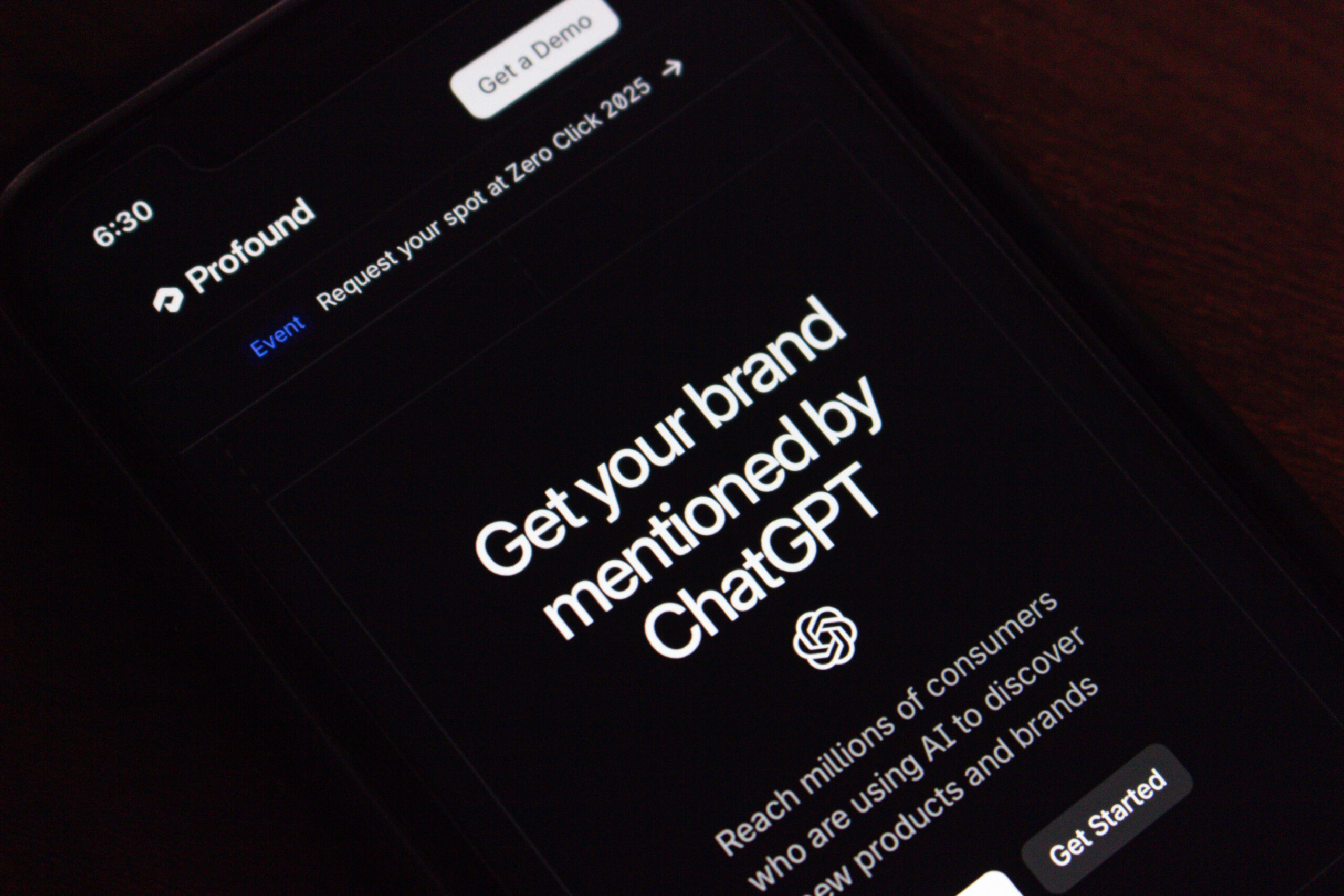
How GEO and Conversational Search Are Reshaping Discovery and UX
For most of the internet’s history, search has worked in a familiar way. You type a query, receive a list of links, and decide where to click.
That model is no longer guaranteed.
Search is becoming conversational. Instead of pointing users to information, intelligent systems increasingly interpret questions, generate responses, and guide users through decisions directly. Conversational search changes what it means to be discoverable, because answers replace clicks.
This is not a surface level interface change. It is a structural shift in how discovery works.
Why search is becoming conversational
Traditional search engines were designed to retrieve documents. Conversational systems are designed to answer questions.
As AI systems improve at understanding intent, language, and context, returning a ranked list of pages feels inefficient. Users want clarity, not options. Direction, not research.
Platforms like Google are responding by embedding AI directly into search experiences, summarising information, offering follow up questions, and presenting answers that feel more like dialogue than lookup.
Search is moving from navigation to interaction.
What GEO really means in this new landscape
Generative Engine Optimisation is often misunderstood as a new form of SEO. It is not.
GEO is about making content understandable, trustworthy, and reusable by AI systems. Instead of optimising for clicks, it optimises for comprehension.
In a conversational search world, AI systems do not browse pages the way humans do. They interpret content, extract meaning, and recombine information into responses.
If your content cannot be confidently summarised or explained by an AI, it is unlikely to appear at all.
Visibility becomes a function of clarity.
How this changes the role of content
Content is no longer just something users read. It is something AI systems speak on your behalf.
This changes how content needs to be written and structured. Ambiguity becomes a risk. Clever phrasing can obscure meaning. Assumed context breaks retrieval.
Clear definitions, consistent language, and well structured explanations become essential. Not because of algorithms, but because AI needs to understand what you are saying before it can represent you accurately.
In this world, content strategy becomes experience design.
The UX implications most teams are not thinking about yet
As search becomes conversational, UX extends beyond the boundaries of a website or app.
Users may never land on a page. Their interaction might begin and end inside a conversational interface. The experience is shaped by how information is presented, explained, and followed up.
This raises new UX questions.
How does a brand sound when it is not controlling the interface?
How does it guide a user through complexity when answers are delivered in fragments?
How does it maintain trust when AI is the intermediary?
UX design shifts from page layout to narrative flow. From navigation to explanation. From interface control to intent shaping.
Designing for dialogue, not destinations
Conversational search treats discovery as an ongoing exchange, not a single action.
This means experiences must be designed to support follow up questions, evolving intent, and changing context. Information needs to be modular, coherent, and adaptable.
Instead of designing pages, teams design knowledge structures. Instead of optimising journeys, they shape conversations.
The most effective UX in this environment will feel calm, confident, and clear. It will anticipate confusion and resolve it before it escalates.
What this means for the industry over time
The shift to conversational search will challenge many established practices.
Traffic will become less predictable. Attribution will be harder. Traditional performance metrics will need to evolve.
At the same time, brands that invest in clarity, structure, and trust will benefit disproportionately. Their content will travel further, be reused more often, and shape decisions earlier.
Search is not disappearing. It is becoming more human.
And like all human conversations, it rewards those who communicate clearly.
FAQs
What does it mean to move from search results to conversations?
It means people increasingly get answers through AI systems that retrieve and summarise information, instead of clicking through lists of links. Discovery becomes more about being the source of a good answer than being the best blue link.
Why does this change what brands should optimise for?
In conversational discovery, brands win when their content is easy to interpret, reliable to reuse, and clearly connected to what they actually offer. Visibility shifts toward clarity, structure, and consistency, not just rankings.
What content formats perform best in AI-mediated discovery?
Content that is explicit and easy to extract. Clear definitions, step-by-step explanations, and quotable Q and A blocks work well because they reduce ambiguity and make it easier to cite the right information.
What are the first practical steps to respond to this shift?
Start with your highest intent pages and make them easier to understand. Tighten page structure, define key terms directly, and add FAQs where users have predictable questions. For the broader context on visibility in AI answers, read Being Visible in the Age of AI.
How can Superb AI help teams adapt to conversational discovery?
We help teams structure and communicate knowledge so it is useful to people and usable by AI systems. That can include improving key pages, building AI-ready information architecture, and applying GEO principles to reduce ambiguity. If you want to explore this for your organisation, start with Collaborate.